
Showing posts with label HealthTips. Show all posts

Tuesday, December 30, 2014

Top 10 Healthiest New Year's Resolutions

source: http://www.health.com/health/gallery/0,,20452233,00.html
2011-year-resolution

New Year, healthier you


by Alyssa Sparacino

New Year’s resolutions are a bit like babies: They’re fun to make but extremely difficult to maintain.

Each January, roughly one in three Americans resolve to better themselves in some way. A much smaller percentage of people actually make good on those resolutions. While about 75% of people stick to their goals for at least a week, less than half (46%) are still on target six months later, a 2002 study found.

It's hard to keep up the enthusiasm months after you've swept up the confetti, but it's not impossible. This year, pick one of the following worthy resolutions, and stick with it. Here’s to your health!
weight-loss-new-years

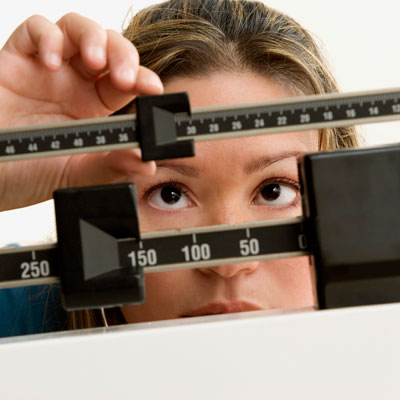
Lose weight

The fact that this is perennially among the most popular resolutions suggests just how difficult it is to commit to. But you can succeed if you don’t expect overnight success. "You want results yesterday, and desperation mode kicks in," says Pam Peeke, MD, author of Body for Life for Women. "Beware of the valley of quickie cures."

Also, plan for bumps in the road. Use a food journal to keep track of what you eat and have a support system in place. "Around week four to six...people become excuse mills," Dr. Peeke says. "That’s why it’s important to have someone there on a regular basis to get you through those rough times."

socialize-new-year


Stay in touch

Feel like old friends (or family) have fallen by the wayside? It’s good for your health to reconnect with them. Research suggests people with strong social ties live longer than those who don’t.

In fact, a lack of social bonds can damage your health as much as alcohol abuse and smoking, and even more than obesity and lack of exercise, a 2010 study in the journal PLoS Medicine suggests.

In a technology-fixated era, it’s never been easier to stay in touch—or rejuvenate your relationship—with friends and family, so fire upFacebook and follow up with in-person visits.

quit-smoking-new-year


Quit smoking

Fear that you’ve failed too many times to try again? Talk to any ex-smoker, and you’ll see that multiple attempts are often the path to success.

Try different methods to find out what works. And think of the cash you’ll save! (We know you know the ginormous health benefit.)

"It’s one of the harder habits to quit," says Merle Myerson, MD, director of the Cardiovascular Disease Prevention Program at St. Luke’s and Roosevelt Hospitals, in New York City. "But I always tell people to think of how muchmoney they will save."

bike-to-work


Save money

Save money by making healthy lifestyle changes. Walk or ride your bike to work, or explore carpooling. (That means more money in your pocket and less air pollution.)

Cut back on gym membership costs by exercising at home. Many fitness programs on videogame systems like Nintendo’s Wii Wii Fit Plus and Microsoft’s Xbox KinectYour Shape Fitness Evolved can get you sweating.

Take stock of what you have in the fridge and make a grocery list. Aimless supermarket shopping can lead to poor choices for your diet and wallet.


low-stress-new-year

Cut your stress

A little pressure now and again won’t kill us; in fact, short bouts of stress give us an energy boost. But if stress is chronic, it can increase your risk of—or worsen—insomnia, depression, obesity,heart disease, and more.

Long work hours, little sleep, no exercise, poor diet, and not spending time with family and friends can contribute to stress, says Roberta Lee, MD, an integrative medicine specialist at Beth Israel Medical Center, in New York City, and the author of The Super Stress Solution.

"Stress is an inevitable part of life," she says. "Relaxation, sleep, socializing, and taking vacations are all things we tell ourselves we deserve but don’t allow ourselves to have."


volunteer-new-year

Volunteer

We tend to think our own bliss relies on bettering ourselves, but our happiness also increases when we help others, says Peter Kanaris, PhD, coordinator of public education for the New York State Psychological Association.

And guess what? Happiness is good for your health. A 2010 studyfound that people with positive emotions were about 20% less likely than their gloomier peers to have a heart attack or develop heart disease. Other research suggests that positive emotions can make people more resilient and resourceful.

"Someone who makes this sort of resolution is likely to obtain a tremendous personal benefit in the happiness department," Kanaris says.

back-to-college


Go back to school
No matter how old you are, heading back to the classroom can help revamp your career, introduce you to new friends, and even boost your brainpower.

A 2007 study found that middle-age adults who had gone back to school (including night school) sometime in the previous quarter century had stronger memories and verbal skills than those who did not. What’s more, several studies have linked higher educational attainment to a decreased risk of Alzheimer’s disease.

"You are gaining a sense of accomplishment by gaining new knowledge, and you are out there meeting people and creating possibilities that were never there before," Kanaris says.

limit-alcohol-beer


Cut back on alcohol

While much has been written about the health benefits of a small amount of alcohol, too much tippling is still the bigger problem. (In fact, binge drinking seems to be on the rise.)

Drinking alcohol in excess affects the brain’s neurotransmitters and can increase the risk of depression, memory loss, or even seizures.

Chronic heavy drinking boosts your risk of liver and heart disease, hypertension, stroke, and mental deterioration, and even cancers of the mouth, throat, liver, and breast.


good-sleep-depression


Get more sleep

You probably already know that a good night’s rest can do wonders for your mood—and appearance. But sleep is more beneficial to your health than you might realize.

A lack of sleep has been linked to a greater risk of obesity and type 2 diabetes. And sleep is crucial for strengthening memories (a process called consolidation).

So take a nap—and don’t feel guilty about it.

new-year-vacation

Travel

The joys and rewards of vacationscan last long after the suitcase is put away. "We can often get stuck in a rut, and we can’t get out of our own way," Kanaris says. "Everything becomes familiar and too routine."

But traveling allows us to tap into life as an adventure, and we can make changes in our lives without having to do anything too bold or dramatic.

"It makes you feel rejuvenated and replenished," he adds. "It gets you out of your typical scenery, and the effects are revitalizing. It’s another form of new discovery and learning, and great for the body and the soul."

Sunday, December 28, 2014

How to Stop Worrying

source: http://www.helpguide.org/articles/anxiety/how-to-stop-worrying.htm


How to Stop Worrying

Self-Help Strategies for Anxiety Relief

Self-Help for Anxiety ReliefWorrying can be helpful when it spurs you to take action and solve a problem. But if you’re preoccupied with “what ifs” and worst-case scenarios, worry becomes a problem. Unrelenting doubts and fears can be paralyzing. They can sap your emotional energy, send your anxiety levels soaring, and interfere with your daily life. But chronic worrying is a mental habit that can be broken. You can train your brain to stay calm and look at life from a more positive perspective.

Why is it so hard to stop worrying?

Constant worrying takes a heavy toll. It keeps you up at night and makes you tense and edgy during the day. You hate feeling like a nervous wreck. So why is it so difficult to stop worrying?
For most chronic worriers, the anxious thoughts are fueled by the beliefs—both negative and positive—they hold about worrying.
On the negative side, you may believe that your constant worrying is harmful, that it’s going to drive you crazy or affect your physical health. Or you may worry that you’re going to lose all control over your worrying—that it will take over and never stop.
On the positive side, you may believe that your worrying helps you avoid bad things, prevents problems, prepares you for the worst, or leads to solutions.
Negative beliefs, or worrying about worrying, add to your anxiety and keep worry going. But positive beliefs about worrying can be just as damaging. It’s tough to break the worry habit if you believe that your worrying protects you. In order to stop worry and anxiety for good, you must give up your belief that worrying serves a positive purpose. Once you realize that worrying is the problem, not the solution, you can regain control of your worried mind.

Why you keep worrying

You have mixed feelings about your worries. On one hand, your worries are bothering you—you can't sleep, and you can't get these pessimistic thoughts out of your head. But there is a way that these worries make sense to you. For example, you think:
  • Maybe I'll find a solution.
  • I don't want to overlook anything.
  • If I keep thinking a little longer, maybe I'll figure it out.
  • I don't want to be surprised.
  • I want to be responsible.
You have a hard time giving up on your worries because, in a sense, your worries have been working for you.
Source: The Worry Cure: Seven Steps to Stop Worry from Stopping You by Robert L. Leahy, Ph.D.

Worry and anxiety self-help tip #1: Create a worry period

It’s tough to be productive in your daily life when anxiety and worry are dominating your thoughts. But what can you do? If you’re like many chronic worriers, your anxious thoughts feel uncontrollable. You’ve tried lots of things, from distracting yourself, reasoning with your worries, and trying to think positive, but nothing seems to work.

Why trying to stop anxious thoughts doesn’t work

Telling yourself to stop worrying doesn’t work—at least not for long. You can distract yourself or suppress anxious thoughts for a moment, but you can’t banish them for good. In fact, trying to do so often makes them stronger and more persistent.
You can test this out for yourself. Close your eyes and picture a pink elephant. Once you can see the pink elephant in your mind, stop thinking about it. Whatever you do, for the next five minutes, don’t think about pink elephants!
How did you do? Did thoughts of pink elephants keep popping in your brain?
“Thought stopping” backfires because it forces you to pay extra attention to the very thought you want to avoid. You always have to be watching for it, and this very emphasis makes it seem even more important.
But that doesn’t mean there’s nothing you can do to control your worry. You just need to try a different approach. This is where the strategy of postponing worrying comes in. Rather than trying to stop or get rid of an anxious thought, give yourself permission to have it, but put off thinking any more about it until later.

Learning to postpone worrying:

  1. Create a “worry period.” Choose a set time and place for worrying. It should be the same every day (e.g. in the living room from 5:00 to 5:20 p.m.) and early enough that it won’t make you anxious right before bedtime. During your worry period, you’re allowed to worry about whatever’s on your mind. The rest of the day, however, is a worry-free zone.
  2. Postpone your worry. If an anxious thought or worry comes into your head during the day, make a brief note of it on paper and postpone it to your worry period. Remind yourself that you’ll have time to think about it later, so there’s no need to worry about it right now. Save it for later and continue to go about your day.
  3. Go over your “worry list” during the worry period. Reflect on the worries you wrote down during the day. If the thoughts are still bothering you, allow yourself to worry about them, but only for the amount of time you’ve specified for your worry period. If the worries don’t seem important any more, cut your worry period short and enjoy the rest of your day.
Postponing worrying is effective because it breaks the habit of dwelling on worries in the present moment. Yet there’s no struggle to suppress the thought or judge it. You simply save it for later. As you develop the ability to postpone your anxious thoughts, you’ll start to realize that you have more control over your worrying than you think.

Worry and anxiety self-help tip #2: Ask yourself if the problem is solvable

Research shows that while you’re worrying, you temporarily feel less anxious. Running over the problem in your head distracts you from your emotions and makes you feel like you’re getting something accomplished. But worrying and problem solving are two very different things.
Problem solving involves evaluating a situation, coming up with concrete steps for dealing with it, and then putting the plan into action. Worrying, on the other hand, rarely leads to solutions. No matter how much time you spend dwelling on worst-case scenarios, you’re no more prepared to deal with them should they actually happen.

Distinguish between solvable and unsolvable worries

If a worry pops into your head, start by asking yourself whether the problem is something you can actually solve. The following questions can help:
  • Is the problem something you’re currently facing, rather than an imaginary what-if?
  • If the problem is an imaginary what-if, how likely is it to happen? Is your concern realistic?
  • Can you do something about the problem or prepare for it, or is it out of your control?
Productive, solvable worries are those you can take action on right away. For example, if you’re worried about your bills, you could call your creditors to see about flexible payment options. Unproductive, unsolvable worries are those for which there is no corresponding action. “What if I get cancer someday?” or “What if my kid gets into an accident?”
If the worry is solvable, start brainstorming. Make a list of all the possible solutions you can think of. Try not to get too hung up on finding the perfect solution. Focus on the things you have the power to change, rather than the circumstances or realities beyond your control. After you’ve evaluated your options, make a plan of action. Once you have a plan and start doing something about the problem, you’ll feel much less worried.

Dealing with unsolvable worries

But what if the worry isn’t something you can solve? If you’re a chronic worrier, the vast majority of your anxious thoughts probably fall in this camp. In such cases, it’s important to tune into your emotions.
As previously mentioned, worrying helps you avoid unpleasant emotions. Worrying keeps you in your head, thinking about how to solve problems rather than allowing yourself to feel the underlying emotions. But you can’t worry your emotions away. While you’re worrying, your feelings are temporarily suppressed, but as soon as you stop, the tension and anxiety bounces back. And then, you start worrying about your feelings, “What’s wrong with me? I shouldn’t feel this way!”
The only way out of this vicious cycle is by learning to embrace your feelings. This may seem scary at first because of negative beliefs you have about emotions. For example, you may believe that you should always be rational and in control, that your feelings should always make sense, or that you shouldn’t feel certain emotions, such as fear or anger.
The truth is that emotions—like life—are messy. They don’t always make sense and they’re not always pleasant. But as long as you can accept your feelings as part of being human, you’ll be able to experience them without becoming overwhelmed and learn how to use them to your advantage. The following tips will help you find a better balance between your intellect and your emotions.

Worry and anxiety self-help tip #3: Accept uncertainty

The inability to tolerate uncertainty plays a huge role in anxiety and worry. Chronic worriers can’t stand doubt or unpredictability. They need to know with 100 percent certainty what’s going to happen. Worrying is seen as a way to predict what the future has in store—a way to prevent unpleasant surprises and control the outcome. The problem is, it doesn’t work.
Thinking about all the things that could go wrong doesn’t make life any more predictable. You may feel safer when you’re worrying, but it’s just an illusion. Focusing on worst-case scenarios won’t keep bad things from happening. It will only keep you from enjoying the good things you have in the present. So if you want to stop worrying, start by tackling your need for certainty and immediate answers.

Challenging intolerance of uncertainty: The key to anxiety relief

Ask yourself the following questions and write down your responses. See if you can come to an understanding of the disadvantages and problems of being intolerant of uncertainty.
  • Is it possible to be certain about everything in life?
  • What are the advantages of requiring certainty, versus the disadvantages? Or, how is needing certainty in life helpful and unhelpful?
  • Do you tend to predict bad things will happen just because they are uncertain? Is this a reasonable thing to do? What is the likelihood of positive or neutral outcomes?
  • Is it possible to live with the small chance that something negative may happen, given its likelihood is very low?
Adapted from: Accepting Uncertainty, Centre for Clinical Interventions

Worry and anxiety self-help tip #4: Challenge anxious thoughts

If you suffer from chronic anxiety and worries, chances are you look at the world in ways that make it seem more dangerous than it really is. For example, you may overestimate the possibility that things will turn out badly, jump immediately to worst-case scenarios, or treat every negative thought as if it were fact. You may also discredit your own ability to handle life’s problems, assuming you’ll fall apart at the first sign of trouble. These irrational, pessimistic attitudes are known as cognitive distortions.
Although cognitive distortions aren’t based on reality, they’re not easy to give up. Often, they’re part of a lifelong pattern of thinking that’s become so automatic you’re not even completely aware of it. In order to break these bad thinking habits and stop the worry and anxiety they bring, you must retrain your brain.
Start by identifying the frightening thought, being as detailed as possible about what scares or worries you. Then, instead of viewing your thoughts as facts, treat them as hypotheses you’re testing out. As you examine and challenge your worries and fears, you’ll develop a more balanced perspective.

Stop worry by questioning the worried thought:

  • What’s the evidence that the thought is true? That it’s not true?
  • Is there a more positive, realistic way of looking at the situation?
  • What’s the probability that what I’m scared of will actually happen?
  • If the probability is low, what are some more likely outcomes?
  • Is the thought helpful? How will worrying about it help me and how will it hurt me?
  • What would I say to a friend who had this worry?
Cognitive Distortions that Add to Anxiety, Worry, and Stress
All-or-nothing thinking – Looking at things in black-or-white categories, with no middle ground. “If I fall short of perfection, I’m a total failure.”
Overgeneralization – Generalizing from a single negative experience, expecting it to hold true forever. “I didn’t get hired for the job. I’ll never get any job.”
The mental filter – Focusing on the negatives while filtering out all the positives. Noticing the one thing that went wrong, rather than all the things that went right.
Diminishing the positive – Coming up with reasons why positive events don’t count. “I did well on the presentation, but that was just dumb luck.”
Jumping to conclusions – Making negative interpretations without actual evidence. You act like a mind reader, “I can tell she secretly hates me.” Or a fortune teller, “I just knowsomething terrible is going to happen.”
Catastrophizing – Expecting the worst-case scenario to happen. “The pilot said we’re in for some turbulence. The plane’s going to crash!”
Emotional reasoning – Believing that the way you feel reflects reality. “I feel frightened right now. That must mean I’m in real physical danger.”
'Shoulds’ and ‘should-nots’ – Holding yourself to a strict list of what you should and shouldn’t do and beating yourself up if you break any of the rules
Labeling – Labeling yourself based on mistakes and perceived shortcomings. “I’m a failure; an idiot; a loser.”
Personalization – Assuming responsibility for things that are outside your control. “It’s my fault my son got in an accident. I should have warned him to drive carefully in the rain.”

Worry and anxiety self-help tip # 5: Be aware of how others affect you

How you feel is affected by the company you keep, whether you’re aware of it or not. Studies show that emotions are contagious. We quickly “catch” moods from other people—even from strangers who never speak a word (e.g. the terrified woman sitting by you on the plane; the fuming man in the checkout line). The people you spend a lot of time with have an even greater impact on your mental state.
  • Keep a worry diary. You may not be aware of how people or situations are affecting you. Maybe this is the way it’s always been in your family, or you’ve been dealing with the stress so long that it feels normal. You may want to keep a worry diary for a week or so. Every time you start to worry, jot down the thought and what triggered it. Over time, you’ll start to see patterns.
  • Spend less time with people who make you anxious. Is there someone in your life who drags you down or always seems to leave you feeling stressed? Think about cutting back on the time you spend with that person or establish healthier relationship boundaries. For example, you might set certain topics off-limits, if you know that talking about them with that person makes you anxious.
  • Choose your confidantes carefully. Know who to talk to about situations that make you anxious. Some people will help you gain perspective, while others will feed into your worries, doubts, and fears.

Worry and anxiety self-help tip #6: Practice mindfulness

Worrying is usually focused on the future—on what might happen and what you’ll do about it. The centuries-old practice of mindfulness can help you break free of your worries by bringing your attention back to the present. In contrast to the previous techniques of challenging your anxious thoughts or postponing them to a worry period, this strategy is based on observing and then letting them go. Together, they can help you identify where your thinking is causing problems, while helping you get in touch with your emotions.
  • Acknowledge and observe your anxious thoughts and feelings. Don’t try to ignore, fight, or control them like you usually would. Instead, simply observe them as if from an outsider’s perspective, without reacting or judging.
  • Let your worries go. Notice that when you don’t try to control the anxious thoughts that pop up, they soon pass, like clouds moving across the sky. It’s only when you engage your worries that you get stuck.
  • Stay focused on the present. Pay attention to the way your body feels, the rhythm of your breathing, your ever-changing emotions, and the thoughts that drift across your mind. If you find yourself getting stuck on a particular thought, bring your attention back to the present moment.
Using mindfulness meditation to stay focused on the present is a simple concept, but it takes practice to reap the benefits. At first, you’ll probably find that your mind keeps wandering back to your worries. Try not to get frustrated. Each time you draw your focus back to the present, you’re reinforcing a new mental habit that will help you break free of the negative worry cycle.

How Anxiety May Cause Weight Loss

source: http://www.calmclinic.com/anxiety/weight-loss

How Anxiety May Cause Weight Loss

It's well known that weight and overall health can contribute to anxiety. In fact, inactivity is one of the most common mistakes for those living with anxiety symptoms. Exercise reduces muscle tension, releases neurotransmitters that boost mood, burn away stress hormone, and help your body function properly – all of which are important for living with anxiety. Those that don't exercise become more prone to developing anxiety, which is why many with anxiety have weight management issues.
What you may not realize is that many of those living with anxiety also appear to have weight loss. Weight loss isn't necessarily an "anxiety symptom," but there does appear to be a significant number of people that lose weight with anxiety.

Weight Loss = Anxiety?

Unexplained weight loss is something that always deserves a doctor's visit. Thyroid disorders, HIV, some cancers, and diabetes are all potential causes of weight loss. But weight loss is also common in those with anxiety.

Being Safe With Weight Loss

Weight loss is generally seen as a good thing, but it's important that you lose weight safely. If you're losing weight without a healthy diet or exercise, then you're putting your body through a great deal of stress. It may also indicate a health issue, or an anxiety problem.
So play it safe when it comes to your health. Make sure you know what caused your weight loss. 

Why You Lose Weight

Stress and anxiety are commonly associated with weight gain, and for good reason – during times of anxiety, the body releases heavy amounts of cortisol, which is a hormone that contributes to weight gain – especially around the midsection. Anxiety also causes further inactivity as people lose interest in many of their activities, which can also increase weight gain.
Yet for various reasons, weight loss is also a problem that may occur with anxiety. There are several factors that cause this weight loss to occur:
  • Lack of Eating – The most likely reason that those with anxiety lose weight is a disinterest in food. This is very common in those with depression, but plays a role with anxiety as well. When you have intense anxiety you start to lose your appetite. You start to feel as though you're genuinely not hungry and eat much less than you need to. You may not even realize how little you're eating, but in essence you're starving yourself, and that can cause massive weight loss very quickly. Unfortunately, it also eats away muscle and slows your metabolism so that if you start eating again, you're more likely to gain weight faster. If you have anxiety, you need to try to eat.
  • Nervous Movement – Another often forgotten reason that you might lose weight with anxiety is because many of those suffering from anxiety are constantly moving. Some people develop nervous ticks and leg shakes. Others feel as though they have to get up and walk around, so they do more walking in their home. While some people completely shut down with anxiety, others unintentionally move more, and this can burn away calories.
  • Sped Up Body – While long term anxiety leads to weight gain, the initial symptoms of anxiety and the fight or flight response actually do increase your metabolism, at least temporarily. Some people may experience more burned calories than others. 
  • Lifestyle Changes – In rarer cases, it's possible that the way you change your lifestyle as a result of anxiety simply contributes to weight loss. For example, those with panic attacks tend to go out less and drink less as a result of their condition, and that means fewer calories. Others that used to exercise regularly may simply be losing muscle mass. The way people adjust to living with anxiety may also be a contributing factor.
  • Over Compensation – Similarly, many people try to utilize various anxiety reduction strategies, including eating healthier and exercising more. The weight loss may be genuine, but because you have anxiety and because weight loss was not the intended outcome of the exercise/nutritional changes, the result may be that you worry more about your weight loss and health.
It's important to remember that anxiety itself makes you worry about things that shouldn't necessarily be worries. Weight loss may also simply occur naturally. But if you were not suspecting to lose weight, this can cause significant health concerns. It's simply the nature of anxiety to cause people to worry about their health.
Still, the most common reason that people lose weight is not eating. It's important that you do your best to eat a healthy meal with regularity.

Thyroid Conditions and Weight Loss

It should be noted that one of the few causes of anxiety that is purely physical is the development of hyperthyroid. With too much thyroid hormone, your body has too strong a metabolism, and this can cause rapid weight loss. Hyperthyroidism is also a cause of anxiety.
That's why, even though anxiety is often the cause of unexplained weight loss in people living with anxiety, it's still a good idea to check with a doctor. There are many simple tests to rule out hyperthyroidism.

Is There a Treatment?

Treating weight loss isn't necessarily related to anxiety itself. You simply need to make sure you're eating, talk to a doctor to rule out other symptoms, and keep exercising to ensure that you're promoting good health. There is nothing you can do in the short term to regain weight that's healthy for your body.
But in the long term, fighting your anxiety is going to be the key to ensuring that rapid weight loss doesn't continue. 

Saturday, December 27, 2014

Be Healthy quotes


Healthy quote #5

Healthy quote #2


Healthy quote #1


Healthy quote #8


Positive thinking: Stop negative self-talk to reduce stress

source: http://www.mayoclinic.org/healthy-living/stress-management/in-depth/positive-thinking/art-20043950


Positive thinking: Stop negative self-talk to reduce stress


Positive thinking helps with stress management and can even improve your health. Practice overcoming negative self-talk with examples provided.
By Mayo Clinic Staff
Is your glass half-empty or half-full? How you answer this age-old question about positive thinking may reflect your outlook on life, your attitude toward yourself, and whether you're optimistic or pessimistic — and it may even affect your health.
Indeed, some studies show that personality traits like optimism and pessimism can affect many areas of your health and well-being. The positive thinking that typically comes with optimism is a key part of effective stress management. And effective stress management is associated with many health benefits. If you tend to be pessimistic, don't despair — you can learn positive thinking skills.

Understanding positive thinking and self-talk

Positive thinking doesn't mean that you keep your head in the sand and ignore life's less pleasant situations. Positive thinking just means that you approach unpleasantness in a more positive and productive way. You think the best is going to happen, not the worst.
Positive thinking often starts with self-talk. Self-talk is the endless stream of unspoken thoughts that run through your head. These automatic thoughts can be positive or negative. Some of your self-talk comes from logic and reason. Other self-talk may arise from misconceptions that you create because of lack of information.
If the thoughts that run through your head are mostly negative, your outlook on life is more likely pessimistic. If your thoughts are mostly positive, you're likely an optimist — someone who practices positive thinking.

The health benefits of positive thinking

Researchers continue to explore the effects of positive thinking and optimism on health. Health benefits that positive thinking may provide include:
  • Increased life span
  • Lower rates of depression
  • Lower levels of distress
  • Greater resistance to the common cold
  • Better psychological and physical well-being
  • Reduced risk of death from cardiovascular disease
  • Better coping skills during hardships and times of stress
It's unclear why people who engage in positive thinking experience these health benefits. One theory is that having a positive outlook enables you to cope better with stressful situations, which reduces the harmful health effects of stress on your body. It's also thought that positive and optimistic people tend to live healthier lifestyles — they get more physical activity, follow a healthier diet, and don't smoke or drink alcohol in excess.

    Identifying negative thinking

    Not sure if your self-talk is positive or negative? Here are some common forms of negative self-talk:
    • Filtering. You magnify the negative aspects of a situation and filter out all of the positive ones. For example, you had a great day at work. You completed your tasks ahead of time and were complimented for doing a speedy and thorough job. That evening, you focus only on your plan to do even more tasks and forget about the compliments you received.
    • Personalizing. When something bad occurs, you automatically blame yourself. For example, you hear that an evening out with friends is canceled, and you assume that the change in plans is because no one wanted to be around you.
    • Catastrophizing. You automatically anticipate the worst. The drive-through coffee shop gets your order wrong and you automatically think that the rest of your day will be a disaster.
    • Polarizing. You see things only as either good or bad. There is no middle ground. You feel that you have to be perfect or you're a total failure.

    Focusing on positive thinking

    You can learn to turn negative thinking into positive thinking. The process is simple, but it does take time and practice — you're creating a new habit, after all. Here are some ways to think and behave in a more positive and optimistic way:
    • Identify areas to change. If you want to become more optimistic and engage in more positive thinking, first identify areas of your life that you typically think negatively about, whether it's work, your daily commute or a relationship. You can start small by focusing on one area to approach in a more positive way.
    • Check yourself. Periodically during the day, stop and evaluate what you're thinking. If you find that your thoughts are mainly negative, try to find a way to put a positive spin on them.
    • Be open to humor. Give yourself permission to smile or laugh, especially during difficult times. Seek humor in everyday happenings. When you can laugh at life, you feel less stressed.
    • Follow a healthy lifestyle. Exercise at least three times a week to positively affect mood and reduce stress. Follow a healthy diet to fuel your mind and body. And learn techniques to manage stress.
    • Surround yourself with positive people. Make sure those in your life are positive, supportive people you can depend on to give helpful advice and feedback. Negative people may increase your stress level and make you doubt your ability to manage stress in healthy ways.
    • Practice positive self-talk. Start by following one simple rule: Don't say anything to yourself that you wouldn't say to anyone else. Be gentle and encouraging with yourself. If a negative thought enters your mind, evaluate it rationally and respond with affirmations of what is good about you.
    Here are some examples of negative self-talk and how you can apply a positive thinking twist to them:
    Putting positive thinking into practice
    Negative self-talkPositive thinking
    I've never done it before.It's an opportunity to learn something new.
    It's too complicated.I'll tackle it from a different angle.
    I don't have the resources.Necessity is the mother of invention.
    I'm too lazy to get this done.I wasn't able to fit it into my schedule, but I can re-examine some priorities.
    There's no way it will work.I can try to make it work.
    It's too radical a change.Let's take a chance.
    No one bothers to communicate with me.I'll see if I can open the channels of communication.
    I'm not going to get any better at this.I'll give it another try.

    Practicing positive thinking every day

    If you tend to have a negative outlook, don't expect to become an optimist overnight. But with practice, eventually your self-talk will contain less self-criticism and more self-acceptance. You may also become less critical of the world around you.
    When your state of mind is generally optimistic, you're better able to handle everyday stress in a more constructive way. That ability may contribute to the widely observed health benefits of positive thinking.

Friday, December 26, 2014

10 Surprising Health Benefits of Sex

source: http://www.webmd.com/sex-relationships/guide/sex-and-health

10 Surprising Health Benefits of Sex

The perks of sex extend well beyond the bedroom.
By Kara Mayer Robinson
WebMD Feature
Reviewed by Michael W. Smith, MD
Sex not only feels good. It can also be good for you. Here’s what a healthy sex life can do for you.

1. Helps Keep Your Immune System Humming

“Sexually active people take fewer sick days,” says Yvonne K. Fulbright, PhD a sexual health expert.
People who have sex have higher levels of what defends your body against germs, viruses, and other intruders. Researchers at Wilkes University in Pennsylvania found that college students who had sex once or twice a week had higher levels of the a certain antibody compared to students who had sex less often.
You should still do all the other things that make your immune system happy, such as:
  • Eat right.
  • Stay active.
  • Get enough sleep.
  • Keep up with your vaccinations.
  • Use a condom if you don’t know both of your STD statuses.

2. Boosts Your Libido

Longing for a more lively sex life? “Having sex will make sex better and will improve your libido,” says Lauren Streicher, MD. She is an assistant clinical professor of obstetrics and gynecology at Northwestern University’s Feinberg School of Medicine in Chicago.
For women, having sex ups vaginal lubrication, blood flow, and elasticity, she says, all of which make sex feel better and help you crave more of it.

3. Improves Women's Bladder Control

A strong pelvic floor is important for avoiding incontinence, something that will affect about 30% of women at some point in their lives.
Good sex is like a workout for your pelvic floor muscles. When you have an orgasm, it causes contractions in those muscles, which strengthens them.

4. Lowers Your Blood Pressure

Research suggests a link between sex and lower blood pressure, says Joseph J. Pinzone, MD. He is CEO and medical director of Amai Wellness.
“There have been many studies,” he says. “One landmark study found that sexual intercourse specifically (not masturbation) lowered systolic blood pressure.” That's the first number on your blood pressure test.

5. Counts as Exercise

“Sex is a really great form of exercise,” Pinzone says. It won’t replace the treadmill, but it counts for something.
Sex uses about five calories per minute, four more calories than watching TV. It gives you a one-two punch: It bumps up your heart rate and uses various muscles.
So get busy! You may even want to clear your schedule to make time for it on a regular basis.  “Like with exercise, consistency helps maximize the benefits,” Pinzone says.

6. Lowers Heart Attack Risk

A good sex life is good for your heart. Besides being a great way to raise your heart rate, sex helps keep your estrogen and testosterone levels in balance.
“When either one of those is low you begin to get lots of problems, like osteoporosis and even heart disease,” Pinzone says.
Having sex more often may help. During one study, men who had sex at least twice a week were half as likely to die of heart disease as men who had sex rarely.

7. Lessens Pain

Before you reach for an aspirin, try for an orgasm.
“Orgasm can block pain,” says Barry R. Komisaruk, PhD, a distinguished service professor at Rutgers, the State University of New Jersey. It releases a hormone that helps raise your pain threshold.
Stimulation without orgasm can also do the trick. “We’ve found that vaginal stimulation can block chronic back and leg pain, and many women have told us that genital self-stimulation can reduce menstrual cramps, arthritic pain, and in some cases even headache,” Komisaruk says.

8. May Make Prostate Cancer Less Likely

Going for the gusto may help ward off prostate cancer.
Men who ejaculated frequently (at least 21 times a month) were less likely to get prostate cancer during one study, which was published in the Journal of the American Medical Association.
You don’t need a partner to reap this benefit: Sexual intercourse, nocturnal emission, and masturbation were all part of the equation.
It's not clear that sex was the only reason that mattered in that study. Lots of factors affect cancer risk. But more sex won’t hurt.

9. Improves Sleep

You may nod off more quickly after sex, and for good reason.
“After orgasm, the hormone prolactin is released, which is responsible for the feelings of relaxation and sleepiness" after sex, says Sheenie Ambardar, MD. She is a psychiatrist in West Hollywood, Calif.

10. Eases Stress

Being close to your partner can soothe stress and anxiety.
Ambardar says touching and hugging can release your body's natural “feel-good hormone.” Sexual arousal releases a brain chemical that revs up your brain’s pleasure and reward system.
Sex and intimacy can boost your self-esteem and happiness, too, Ambardar says. It’s not only a prescription for a healthy life, but a happy one.